Walk into any electronics store or browse the TV section online, and the first thing you’ll notice is the dominance of the same big names — Samsung, Sony, and LG. Their displays are everywhere, their marketing is loud, and their prices are often steep. But behind the glossy showrooms and expensive ads, another truth has quietly emerged: a smaller brand called Hisense has been delivering televisions that match or outperform these giants at a fraction of the cost.
Choosing a TV used to be about brand recognition. Today, it’s about performance, technology, and total value. And that’s where Hisense makes sense — literally.
The Shift in the TV Market
Ten years ago, premium picture quality and advanced technology were tightly controlled by the top-tier manufacturers. OLED panels, high refresh rates, and dynamic HDR were reserved for those willing to pay premium prices. But the landscape has changed dramatically.
Brands like Hisense and TCL have invested heavily in R&D, manufacturing precision, and strategic partnerships with panel suppliers. They’ve learned to innovate quickly, adopt new technologies early, and integrate them into affordable models.
This shift means consumers no longer need to spend $2,000 or more for cutting-edge performance. In fact, many Hisense models deliver equal or better brightness, local dimming control, and motion clarity than their big-brand rivals at half the cost.
The result is a democratization of technology — and a growing awareness among smart buyers that paying extra for a logo doesn’t necessarily buy you a better experience.
Beyond the Badge: What Really Matters in a TV
When most people evaluate a television, they start with the brand name. But what actually affects the viewing experience?
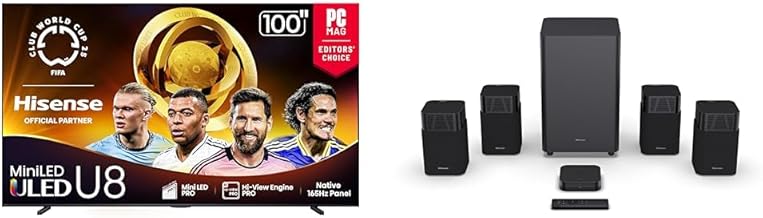
Brightness, contrast, color accuracy, processing, and refresh rate are the true pillars of image quality. Hisense’s recent lineup, such as the U8 series, excels in all of these categories. The brand has become known for its Mini-LED backlight technology, capable of producing upwards of 5,000 nits of brightness — levels that rival or surpass high-end models from much more expensive competitors.
The company’s Hi-View Engine Pro handles image processing with remarkable precision, using AI-driven algorithms to enhance clarity and balance color dynamically. Combined with wide color gamut coverage, Dolby Vision IQ support, and a native 165 Hz refresh rate on certain models, Hisense televisions aren’t just keeping up with the industry leaders — they’re pushing the standards forward.
So while a shopper might recognize a Samsung or Sony first, it’s Hisense that’s quietly delivering the performance metrics that professionals and enthusiasts actually look for.
The Cost of the Brand Name
Big brands spend billions annually on marketing and retail placement. That cost doesn’t vanish — it’s passed down to you, the buyer. Every polished commercial, celebrity endorsement, and airport billboard adds a few extra dollars to the sticker price of that TV sitting on the shelf.
Hisense takes a different approach. The company relies more on product quality and word-of-mouth reputation than traditional advertising. Instead of paying for recognition, it focuses on manufacturing efficiency and component optimization, which translates into lower prices without cutting corners on performance.
It’s the same reason many value-driven consumers are moving away from household-name appliances and toward less-advertised but better-equipped alternatives.
For instance, a 65-inch flagship QLED from a top-tier brand might sell for $2,499, while a comparable 65-inch Hisense U8 model with Mini-LED backlighting and Dolby Atmos audio costs around $1,299. That’s a savings of over $1,000 for a TV that, in most lighting conditions, performs nearly identically.
Paying extra for a badge used to make sense when the technology gap was wide. Today, that premium often buys little more than the name itself.
Performance Without Compromise
When reviewers and consumers compare Hisense to higher-priced alternatives, one theme appears repeatedly: performance parity.
Take brightness, for example. The Hisense U8 routinely measures higher peak brightness than some of Samsung’s and Sony’s step-down QLED models. That advantage matters for anyone watching TV in bright rooms — apartments, living rooms with large windows, or open floor plans.
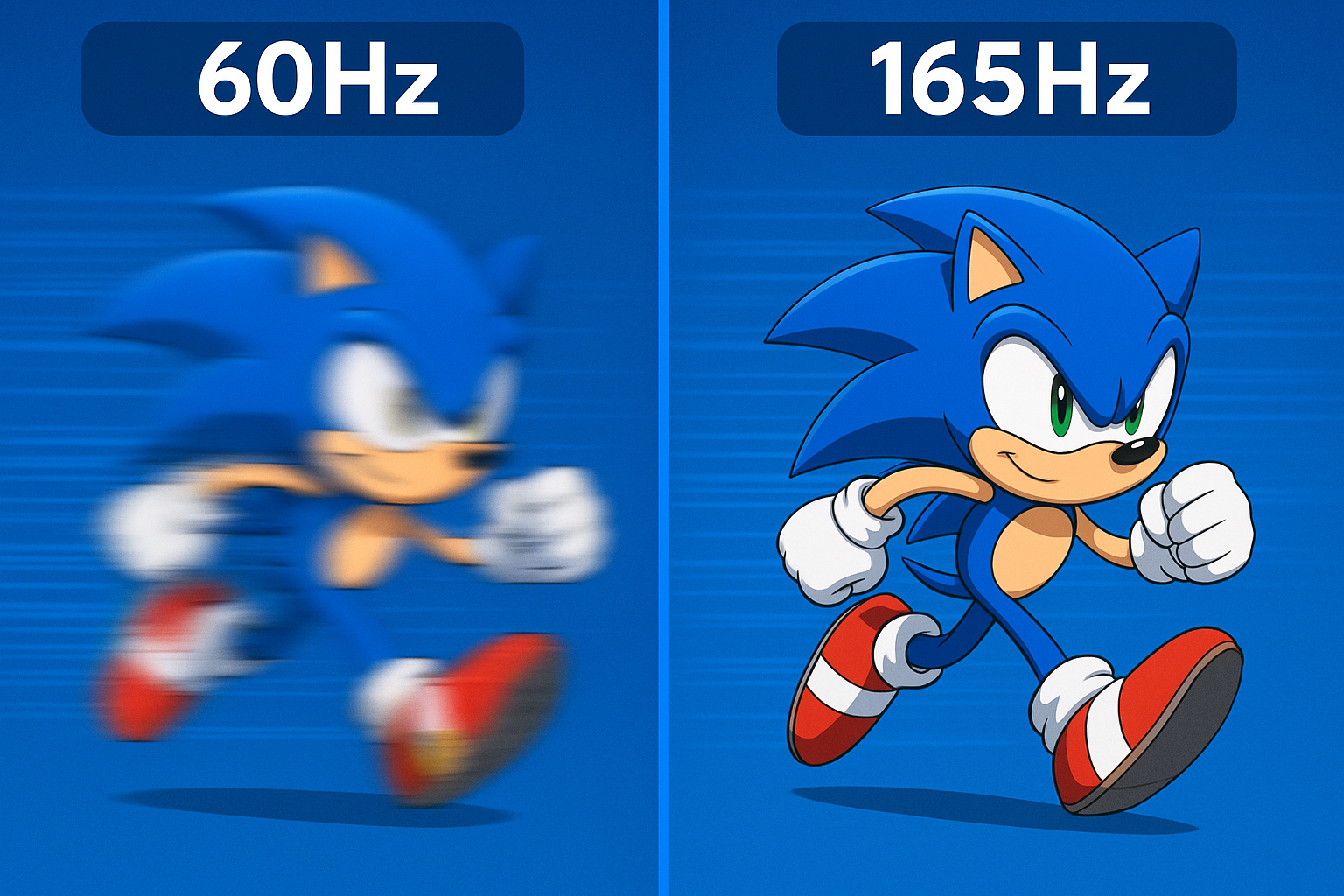
Motion handling and gaming features are equally strong. Hisense’s 165 Hz panels and Variable Refresh Rate (VRR) capabilities minimize tearing and input lag for smooth gaming sessions on both consoles and PCs. Features like Game Bar interfaces and Auto Low Latency Mode (ALLM) come standard, while many “premium” TVs charge more for the same.
The audio experience also deserves recognition. Hisense integrates 4.1.2-channel Dolby Atmos systems directly into its panels. That means cinematic sound without the need for an expensive external system that could disturb neighbors — a major advantage for apartment dwellers.
This isn’t a stripped-down experience for budget shoppers. It’s a complete home theater experience designed intelligently and affordably.
Durability and Reliability: Dispelling the Myths
One misconception about emerging brands is that lower price equals lower quality. In Hisense’s case, that assumption doesn’t hold up under scrutiny. The company has built a strong reliability record, earning recognition from both consumers and independent reviewers.
Hisense backs its higher-end televisions with a two-year warranty, double what most competitors provide. That confidence stems from their quality control processes, which have improved substantially over the past decade. The same assembly lines that produce Hisense’s own panels also manufacture components for other well-known brands — an industry secret that underlines how interconnected TV manufacturing has become.
While no product is immune to defects, Hisense’s reliability now sits comfortably within industry averages, with many users reporting years of consistent performance. The combination of quality assurance and extended coverage makes the brand a safe bet rather than a gamble.
The Value of Being an Informed Buyer
The smartest way to buy a television today is not to chase the biggest name, but to understand what you’re actually paying for.
An informed buyer looks at specifications rather than slogans. They know that Full Array Local Dimming, Quantum Dot color, HDR support, and refresh rate matter more than the size of the marketing budget behind the product.
When you strip away the branding, Hisense often matches flagship competitors feature-for-feature — and sometimes even outperforms them. By being informed, you’re not settling; you’re saving.
That savings can be redirected toward better furniture, a soundbar upgrade, or simply kept in your pocket. Over time, the value proposition becomes obvious: Hisense isn’t the “budget” choice. It’s the smart one.
Real-World Example: What You Get for Less
Let’s compare a 65-inch premium QLED from a major brand to the 65-inch Hisense U8.
| Feature | Major Brand QLED | Hisense U8 (65U8QG) |
|---|---|---|
| Panel Type | QLED with Local Dimming | Mini-LED Pro with 5,000 nits peak brightness |
| Refresh Rate | 120 Hz | 165 Hz native |
| HDR Support | HDR10, HLG | HDR10+, Dolby Vision IQ |
| Audio | 2.1-channel speakers | 4.1.2 Dolby Atmos system |
| Smart Platform | Proprietary | Google TV |
| Warranty | 1 year | 2 years |
| Price | ≈ $2,499 | ≈ $1,299 |
That’s a near-identical (or superior) spec sheet for almost half the cost. The Hisense even wins in brightness, refresh rate, and audio configuration.
This comparison highlights the core argument: Hisense makes sense because it delivers flagship technology without flagship pricing.
The Informed Buyer’s Mindset
Price isn’t the only reason to choose a smaller brand. It’s about buying based on knowledge rather than habit. The best-informed consumers research reviews, watch side-by-side comparisons, and pay attention to measurable features — not advertisements.
Hisense rewards that mindset. Its product lineup is transparent, its performance is verified by independent reviewers, and its warranty provides peace of mind. When you buy based on data instead of name recognition, you get the kind of value that turns a purchase into an investment.
Being an informed buyer also encourages healthy market competition. As more consumers reward quality over marketing, every brand is pressured to innovate faster and price more fairly. That benefits everyone.
Final Thoughts: A Brand Built on Value, Not Vanity
Hisense may not have the decades of branding dominance enjoyed by its larger competitors, but that’s precisely why it delivers more for less. It’s a company focused on product evolution, not advertising saturation. Every generation of its TVs brings tangible improvements in brightness, motion handling, and build quality — areas that directly impact the viewing experience.
For buyers who care about performance, reliability, and value, the decision becomes clear: Why pay more for less?
The next time you compare TVs, look beyond the logo. Read the specifications, check the real-world tests, and trust your eyes rather than the marketing slogans. You’ll likely discover that the smarter, more balanced choice — the one that truly makes sense — is a Hisense.
Hisense U8 Mini-LED TV Lineup
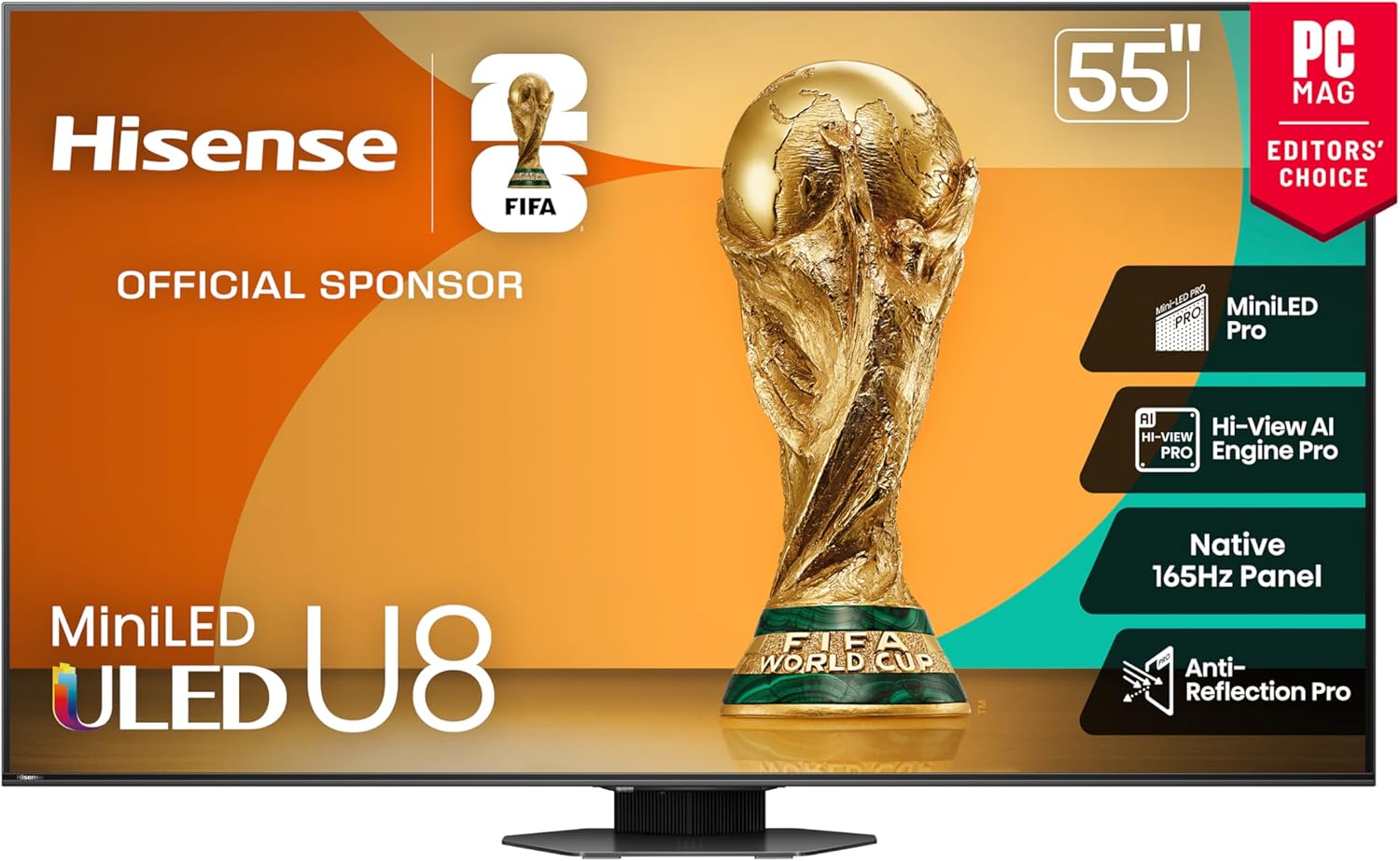
Hisense U8 – 55 Inch
Best for: Small living rooms, bedrooms, and apartments
A compact size with full Mini-LED performance, ideal for tighter spaces where you still want premium brightness, contrast, and gaming features.
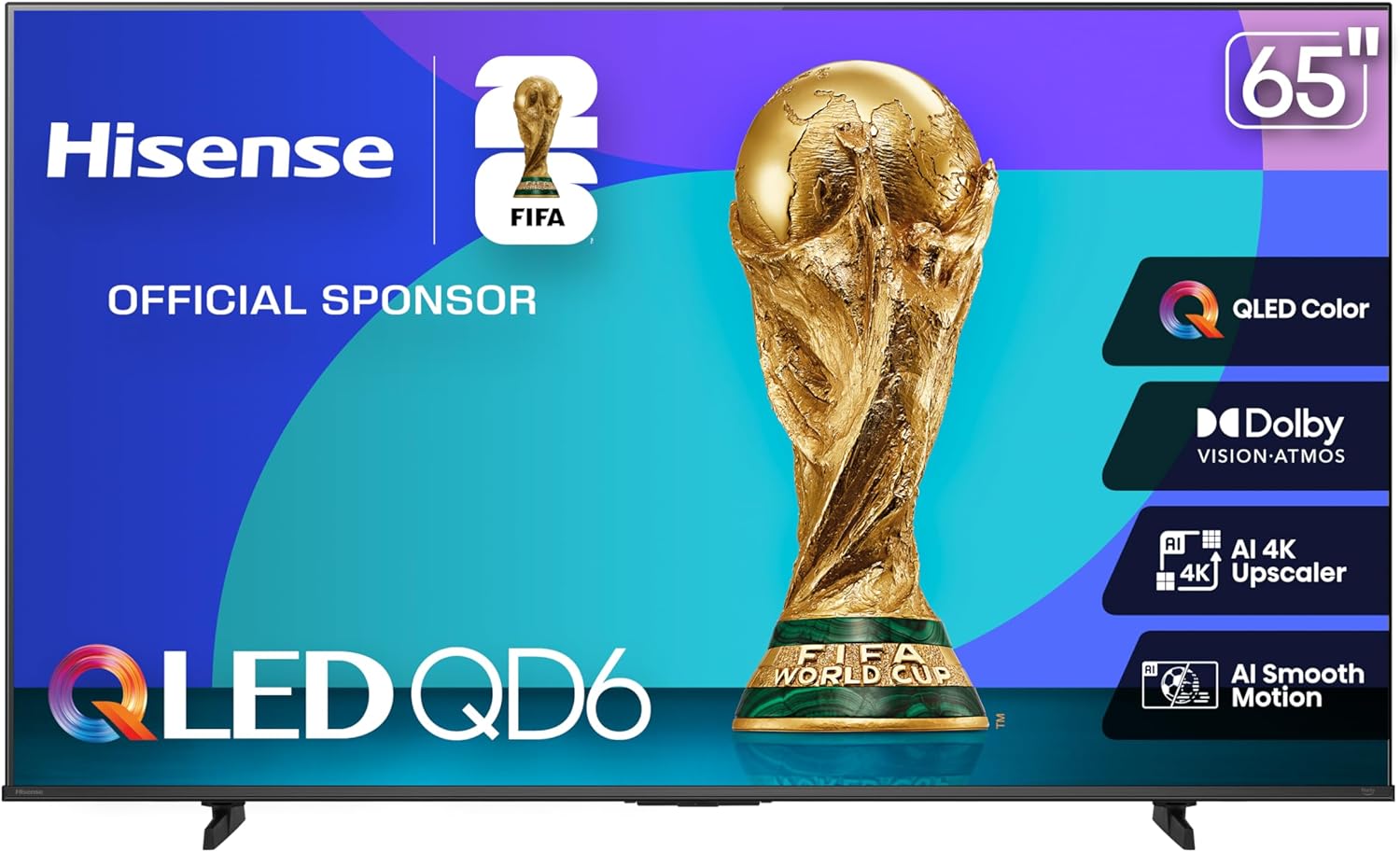
Hisense U8 – 65 Inch
Best for: Main living rooms and open-plan spaces
A balanced size for most households, offering an immersive viewing experience without overwhelming the room, plus excellent HDR and gaming performance.
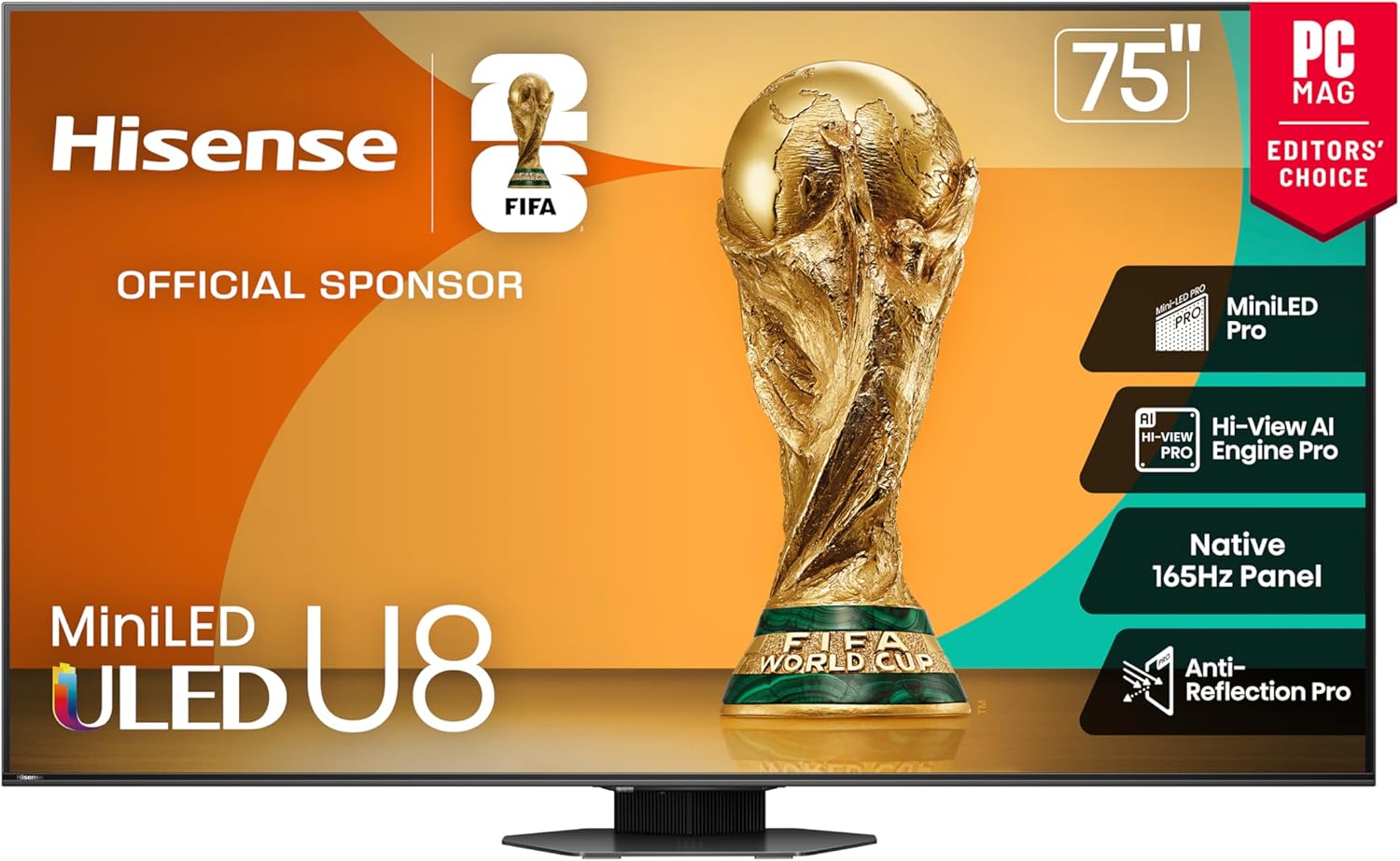
Hisense U8 – 75 Inch
Best for: Large living rooms and media-focused setups
A true home theater centerpiece with impactful size, high peak brightness, and fast refresh rates that shine in both movies and competitive gaming.
Hisense U8 – 85 Inch
Best for: Large open spaces and cinematic living rooms
A big-screen experience that brings stadium-scale sports and movie nights into your home, while keeping Mini-LED contrast and detail intact.
Hisense U8 – 100 Inch
Best for: Dedicated media walls and theater-style rooms
A wall-filling display that rivals projectors while delivering true 4K clarity, strong HDR, and the convenience of a traditional TV form factor.
Affiliate disclosure: The links above are Amazon affiliate links. If you make a purchase through them, this site may earn a small commission at no additional cost to you. Please confirm current pricing and availability on Amazon, as they can change at any time.